
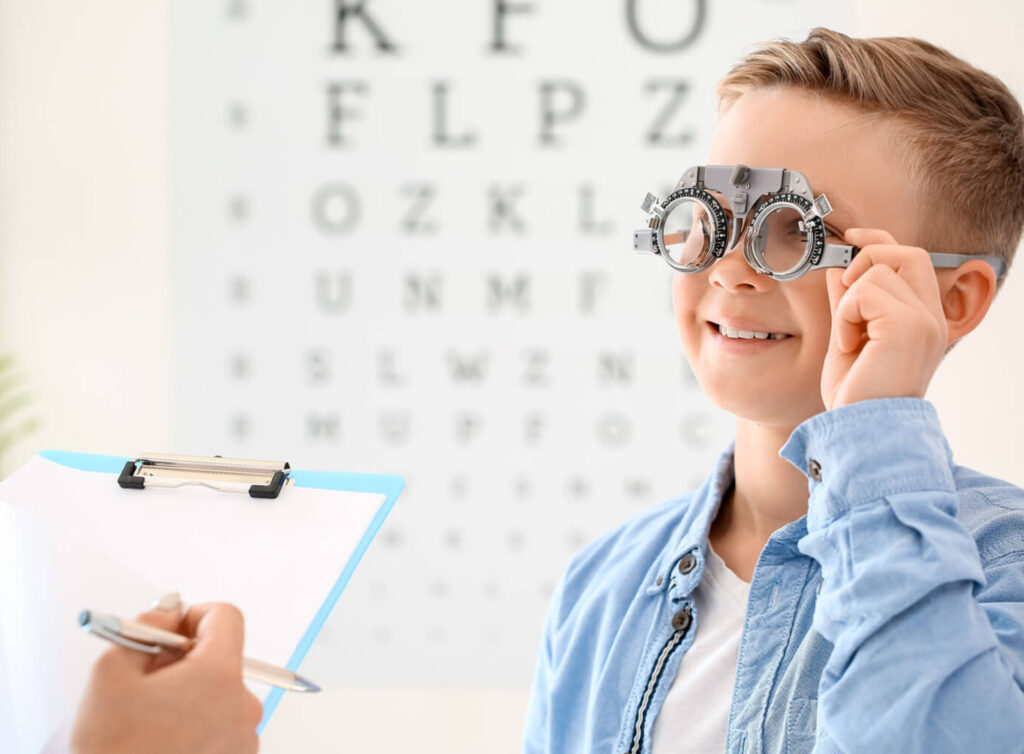
Pediatric Eye Treatment in Varanasi: A Complete Guide for Parents at Netrodaya Eye City
Children rarely tell you when something is wrong with their eyes. They simply adjust — sitting closer to the television, holding books nearer to their face, tilting their head, or rubbing their eyes frequently — and parents often mistake these as habits rather than warning signs. Because nearly 80% of a child’s early learning happens through vision, undetected eye problems can quietly affect a child’s academic performance, confidence, and overall development. At Netrodaya Eye City, our pediatric eye care unit in Varanasi is dedicated to catching these issues early and treating them with the gentleness children need.
Why Pediatric Eye Care Is Different
Children’s eyes are still developing, and their visual system continues to mature until around the age of seven or eight. This makes early detection critical. Many childhood eye conditions, if identified and treated in time, can be corrected fully. If missed during this developmental window, they can lead to permanent, irreversible vision problems such as amblyopia, commonly known as lazy eye. Pediatric ophthalmology therefore requires specialised equipment, child-friendly examination techniques, and a doctor who understands how to put a nervous child at ease — all of which our team is trained to provide.
Common Childhood Eye Conditions We Treat
- Refractive errors: Myopia, hyperopia, and astigmatism affecting focus and clarity of vision
- Squint (Strabismus): Misalignment of the eyes, where one or both eyes turn inward, outward, up, or down
- Amblyopia (Lazy Eye): Reduced vision in one eye due to abnormal visual development in early childhood
- Congenital eye conditions: Including congenital cataract, blocked tear ducts, and ptosis (drooping eyelid) present from birth
- Eye infections and allergies: Conjunctivitis, styes, and seasonal allergic reactions common among school-going children
- Vision screening for school readiness: Comprehensive checks before children begin formal schooling
Warning Signs Every Parent Should Watch For
You know your child best, and small changes in behavior can often be the earliest clue to an eye problem. Consult a pediatric eye specialist at Netrodaya if you notice:
- Frequent eye rubbing, squinting, or blinking
- Sitting unusually close to the TV or holding books very near the face
- One eye appearing to drift or turn while the other stays fixed
- Consistent head tilting or covering one eye to see better
- Complaints of headaches after reading or schoolwork
- Poor performance in the classroom that seems linked to trouble seeing the board
- White or unusual reflection visible in photographs taken with flash
Our Approach to Treating Young Patients
At Netrodaya, we understand that a hospital visit can be intimidating for a child. Our pediatric eye unit is designed to make the experience as comfortable as possible, with patient staff, child-friendly diagnostic tools, and a calm environment. Depending on the diagnosis, treatment may include:
- Prescription spectacles specially fitted for growing children
- Vision therapy and eye patching for amblyopia
- Surgical correction for squint and congenital conditions, performed with advanced, minimally invasive techniques
- Regular follow-up visits to track visual development as the child grows
Every treatment plan is personally supervised under the expert guidance of Dr. Abhishek Chandra, ensuring that young patients from Varanasi and nearby towns receive the same standard of pediatric eye care available at leading metro city hospitals.
When Should a Child’s First Eye Check-Up Happen?
Ophthalmologists generally recommend a baseline eye screening for infants soon after birth, followed by check-ups around age one, before starting school (around age three to four), and then annually through the school years. Children with a family history of squint, lazy eye, or high spectacle power should be screened even earlier, as early intervention makes a significant difference in outcomes.
Give Your Child the Gift of Clear Vision
A child’s eyes shape the way they see and understand their entire world. If you have noticed any unusual signs, or if it has simply been a while since your child’s last eye check-up, book a pediatric eye consultation at Netrodaya Eye City in Varanasi. Early screening today can protect your child’s vision for a lifetime.